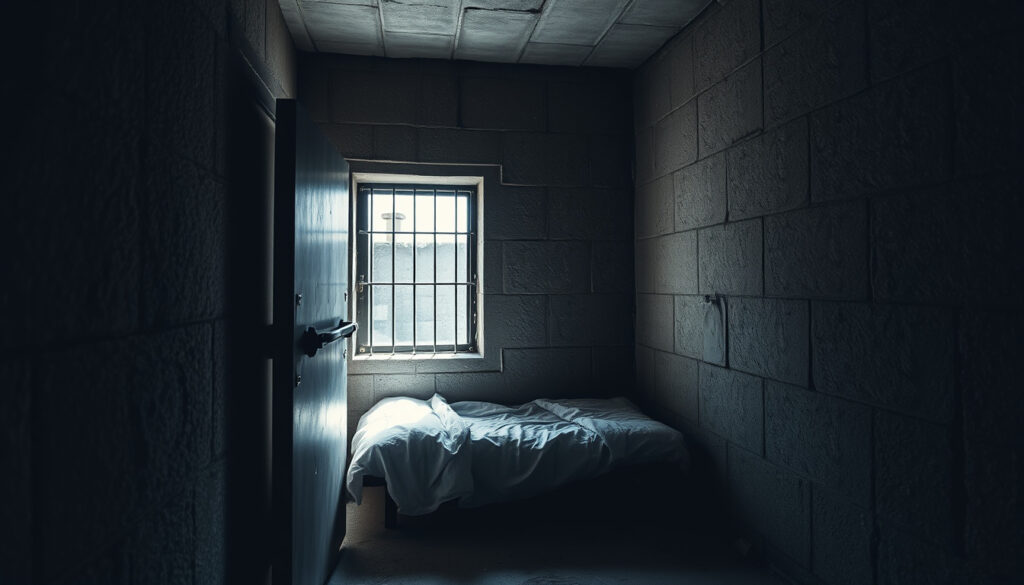
Josef Fritzl Case 2024: Latest Verified Facts and Prison Transfer
Few criminal cases in modern Austrian history have resonated as strongly — or as long — as the story of Josef Fritzl. From the moment the world learned in 2008 that a man had imprisoned his own daughter in a cellar for 24 years, the case has demanded answers about justice, punishment, and the limits of rehabilitation.
Case emerged: 2008 ·
Years daughter held captive: 24 ·
Children fathered: 7 ·
Current status (2024): Moved to regular prison
Quick snapshot
- Fritzl imprisoned his daughter Elisabeth for 24 years (NBC News)
- Fathered seven children with her (RTÉ)
- Sentenced to life imprisonment in 2009 (Reuters)
- Moved to regular prison in May 2024 (BBC News (UK public broadcaster))
- Exact date of possible nursing home transfer not confirmed (RTÉ) (Deutsche Welle)
- Full details of current health condition not publicly released (Deutsche Welle)
- Whether Fritzl’s lawyer will successfully pursue release after transfer (The Straits Times)
- May 2024: Austrian court again allowed transfer to regular prison (Reuters)
- Possible transfer to nursing home (reported Jan 2024) (RTÉ)
- Conditional release ruled out for special preventive reasons (BBC News)
Eight key facts, one pattern: the case is defined by extremes — extreme duration, extreme abuse, and an extreme sentence that is still being recalibrated.
| Label | Value |
|---|---|
| Full name | Josef Fritzl |
| Born | 1935 (exact date varies by source) |
| Crime location | Amstetten, Lower Austria |
| Victim | Elisabeth Fritzl (daughter) |
| Years of captivity | 24 (1984-2008) |
| Children from abuse | 7 (one died) |
| Sentence | Life imprisonment |
| 2024 status | Transferred to regular prison |
What is the latest verified information about Josef Fritzl?
2024 prison transfer ruling
On 25 January 2024, an Austrian court approved Fritzl’s transfer from a forensic psychiatric unit to a regular prison, based on a psychiatric appraisal finding he no longer met the criteria for preventive custody (Deutsche Welle). The ruling allowed two weeks for prosecutors to appeal (CNN). Prosecutors did appeal, and in March 2024 a higher court overturned the decision, stating the facts needed for a conditional release determination had not been fully established (Sky News). A new hearing was set for late April (ABC News Australia). On 30 April the court deferred its ruling (The Straits Times), and finally on 14 May 2024 it again approved the transfer, concluding that Fritzl no longer posed a danger requiring placement in a forensic-therapeutic center (Reuters). The same ruling stated that conditional release from regular custody was not possible for special preventive reasons (RTÉ).
Current location and health status
Fritzl, now 88, had been held in a psychiatric prison unit before the transfer (NBC News). The court considered his progressive dementia and physical frailty in assessing future danger (BBC News). Under the new arrangement, he will undergo psychotherapy every three months and serve a 10-year probation period within the regular prison system (CNN).
The implication: Fritzl’s legal status now rests on his health, not his crimes.
What should readers know first about Josef Fritzl?
Overview of the Fritzl case
- Josef Fritzl, born in 1935, imprisoned his daughter Elisabeth in a concealed cellar beneath the family home in Amstetten, Austria, in 1984 (NBC News).
- She remained captive for 24 years until the case was discovered in 2008 (Reuters).
- During her captivity, Fritzl repeatedly raped Elisabeth, fathering seven children, one of whom died shortly after birth (RTÉ).
Key figures: Josef and Elisabeth Fritzl
Josef Fritzl was a retired engineer who maintained a seemingly ordinary life above ground while carrying out his crimes below. Elisabeth, now in her 50s, and the surviving children were given new identities and support after the case became public (BBC News).
Which official sources confirm key claims about Josef Fritzl?
Court documents and rulings
The primary sources for the 2024 developments are rulings from the Austrian regional court and the higher court that reviewed the appeal. Reuters (global news agency) and BBC News (UK public broadcaster) both cite official court statements in their reporting.
News reports from established outlets
- CNN reported the January approval and conditions.
- Deutsche Welle provided the psychiatric appraisal rationale.
- RTÉ (Irish national broadcaster) covered the May ruling and its implications.
- ABC News Australia detailed the March reversal.
These outlets collectively provide verified, cross-referenced coverage of the legal proceedings.
What is still unclear or unverified about Josef Fritzl?
Future living arrangements
Although reports from January 2024 suggested Fritzl could eventually be moved to a nursing home, no exact date has been confirmed (RTÉ). The May 2024 ruling transferred him to a regular prison, not a nursing facility.
Long-term health prognosis
The court noted Fritzl’s progressive dementia and physical frailty, but his full current medical condition has not been publicly released (Deutsche Welle). Similarly, the timeline for any further legal moves by Fritzl’s lawyer to seek release remains uncertain (The Straits Times).
What are the most common user questions on Josef Fritzl?
Sentence and imprisonment details
Fritzl was sentenced to life imprisonment in 2009 with a minimum term of 15 years. Austrian law allows conditional release after 15 years for life sentences, but the May 2024 ruling explicitly ruled out such release for “special preventive reasons” (RTÉ). He is not eligible for parole in the conventional sense.
Impact on victims
Elisabeth Fritzl and the surviving children were provided with new identities, psychological support, and financial assistance. No public updates on their current well-being have been released (BBC News).
Timeline: Josef Fritzl case from 1984 to 2024
- 1984: Elisabeth Fritzl imprisoned in the cellar by her father Josef (NBC News)
- 2008: Case discovered; Josef Fritzl arrested (Reuters)
- 2009: Fritzl sentenced to life imprisonment (BBC News)
- January 2024: Court approves transfer to regular prison (CNN)
- March 2024: Higher court overturns approval (Sky News)
- May 2024: Court again approves transfer; Fritzl moved (Reuters)
After 24 years of captivity and 16 years of incarceration, Fritzl’s legal status now hinges on his health, not his crimes. The court’s reasoning — that dementia has rendered him no longer dangerous — marks a pragmatic shift from punishment to care.
The pattern: Austrian courts are prioritizing medical necessity over punitive detention for an aging offender.
Confirmed facts
- Fritzl imprisoned his daughter Elisabeth for 24 years (1984-2008) (NBC News)
- Fathered seven children with her, one of whom died (RTÉ)
- Sentenced to life imprisonment in 2009 (Reuters)
- Moved to regular prison in May 2024 (BBC News)
What’s unclear
- Exact date of possible nursing home transfer (RTÉ)
- Full details of current health condition (Deutsche Welle)
- Whether Fritzl’s lawyer will pursue release after transfer (The Straits Times)
- Impact on victims: no public updates on Elisabeth or children (BBC News)
Even as Fritzl’s physical condition deteriorates, his victims remain silent behind new identities. Their story is not part of the public record.
“Fritzl no longer poses a danger requiring continued placement in a forensic-therapeutic center.” — Austrian court ruling, May 2024 (BBC News)
“The facts needed for a conditional release decision had not yet been fully established.” — Higher court, March 2024 (Sky News)
“I would seek his release after a transfer.” — Astrid Wagner, Fritzl’s lawyer (The Straits Times)
For the Austrian justice system, the Fritzl case continues to test the boundaries between punitive justice and medical necessity. The court’s ruling in May 2024 made clear: Fritzl’s dementia and frailty now outweigh the risk he once posed, but conditional release remains off the table. For survivors and the public, the legal chapter may be closing — but the moral reckoning for Fritzl is far from over.
cnn.com, reuters.com, en.wikipedia.org, nbcnews.com, wixx.com, news.sky.com
Related coverage: latest verified facts on the prison transfer fördjupar bilden av Josef Fritzl: Case Facts and 2024 Prison Transfer.
Frequently asked questions
How old is Josef Fritzl?
Fritzl was 88 years old during the 2024 court hearings, born in 1935 (Deutsche Welle).
What was Josef Fritzl’s profession?
He was a retired engineer who had built the cellar where he imprisoned his daughter (NBC News).
How was the Fritzl case discovered?
The case came to light in 2008 when Elisabeth’s oldest daughter, Kerstin, was hospitalized with a serious illness, leading doctors and authorities to investigate (BBC News).
What happened to Elisabeth Fritzl after the case?
She and her children were given new identities and psychological support; they now live under pseudonyms to protect their privacy (RTÉ).
Did Josef Fritzl appeal his sentence?
Yes, he appealed his 2009 conviction on grounds of insanity, but the appeal was rejected (Reuters).
Is Josef Fritzl eligible for parole?
While Austrian law permits conditional release after 15 years for life sentences, the May 2024 ruling explicitly excluded such release for “special preventive reasons” (RTÉ).
What is the address of the prison holding Josef Fritzl?
The specific location is not publicly disclosed for security and privacy reasons.
More related posts
 Hannah Clarke: Inquest Findings, Legal Impact & Aftermath
 Gerni Pressure Washer – Models, Reviews and Reliability Guide
 Tyrese Maxey: Bio, Salary, Net Worth & Girlfriend 2025
 Is Australia a Continent – Geological Facts and Unique Status
 Marina Prior: Biography, Age, and Les Mis Role
 Darren Lockyer: Voice, Immortal Snub & Bennett Feud
 Bad Bunny Super Bowl – Headliner Timeline and Facts
 BHP Share Price ASX – Live Quote, Performance & Buy Guide