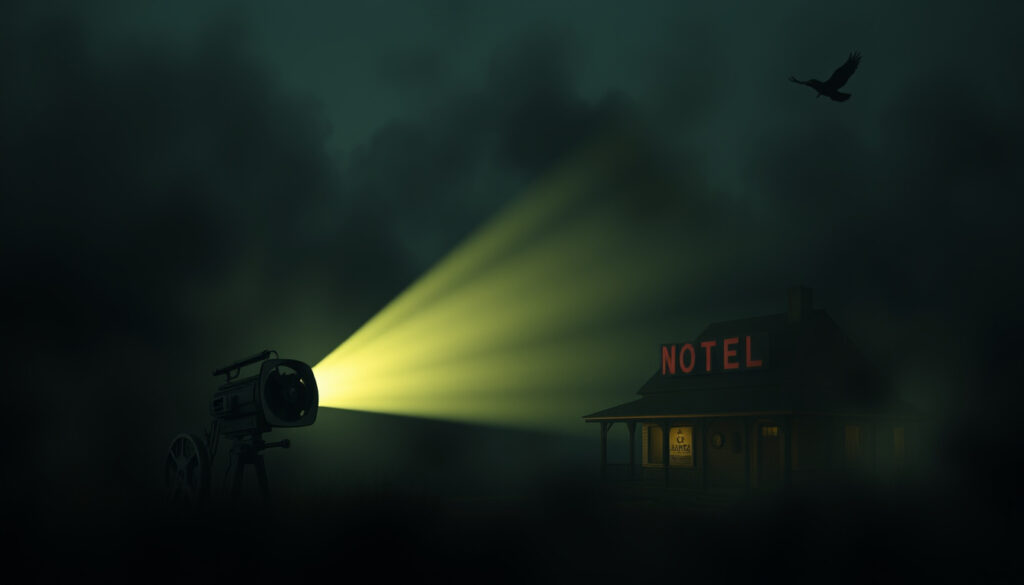
Alfred Hitchcock: Facts, Films, and the Real Man Behind the Myths
Few names in cinema carry the weight of Alfred Hitchcock. Born in Leytonstone, England on August 13, 1899Britannica (encyclopedia), the man behind Psycho, Vertigo, and The Birds didn’t just direct films—he invented a language of suspense that still influences filmmakers today. This article separates the facts from the rumors about his life, his craft, and the real stories behind his most famous works.
Birth: August 13, 1899, Leytonstone, England ·
Death: April 29, 1980, Los Angeles, California ·
Known for: Master of suspense, director of Psycho, Vertigo, The Birds ·
Notable award: Academy Award for Irving G. Thalberg Memorial Award (1968) ·
Spouse: Alma Reville (married 1926–1980)
Quick snapshot
- Born August 13, 1899 in Leytonstone, England (Britannica)
- Died April 29, 1980 in Bel Air, California (Britannica)
- Directed over 50 feature films (AlfredHitchcock.com (official site))
- Married Alma Reville in 1926 (English Heritage (historic preservation))
- Exact nature of his relationship with lead actresses — no definitive proof of affairs (Britannica)
- Definitive recorded last words — reported phrase not documented as final (Britannica)
- Full extent of childhood trauma’s impact on his film themes — widely speculated but not directly corroborated (Britannica)
- 1899: Born in Leytonstone (Britannica)
- c. 1914: Sent to police station by father — pivotal experience (Britannica)
- 1920: Started in film industry as title designer (BBC Two)
- 1926: Married Alma Reville (English Heritage)
- 1940: Moved to Hollywood, directed Rebecca (Britannica Kids)
- 1960: Released Psycho (Britannica)
- 1980: Died in Los Angeles (Britannica)
Six key facts about Hitchcock’s life, drawn from official and academic sources:
| Label | Value |
|---|---|
| Full name | Alfred Joseph Hitchcock |
| Occupation | Film director, producer, screenwriter |
| Spouse | Alma Reville (married 1926) |
| Children | 1 (Patricia Hitchcock) |
| Cause of death | Renal failure (Britannica) |
What happened to Alfred Hitchcock when he was 15?
Early life in Leytonstone
Hitchcock was the youngest of three children in a Catholic family in East London. His father, William Hitchcock, ran a greengrocery business. The official biography site notes that Hitchcock spent his early career as a draftsman, advertising designer, and writer before his interest in photography led him into the film industryAlfredHitchcock.com (official site).
The prison incident and its impact
According to widely repeated accounts, when Hitchcock was about 15, his father sent him to a local police station with a note asking the officer to lock him in a cell for a few minutes as a punishment. This experience reportedly instilled a lifelong fear of authority and punishment, a theme that surfaces in many of his films. While the story is often cited, the full extent of its impact remains speculative. The pattern: fear of arbitrary authority appears in The Wrong Man and North by Northwest.
Hitchcock’s childhood brush with prison gave him a narrative engine: ordinary people trapped in unjust systems. That frame powered his best suspense films.
What was Alfred Hitchcock most famous for?
Master of suspense
Britannica calls Hitchcock “the master of suspense,” a label that BBC echoes in describing his psychological thrillers including Vertigo, Psycho, and The BirdsBritannicaBBC Two. He defined suspense as giving the audience information that the characters lack, then stretching the tension.
Iconic films: Psycho, Vertigo, The Birds
These three late-career films are his most recognized. Psycho (1960) broke conventional rules by killing its lead actress halfway through. Vertigo (1958) is often cited as a masterpiece of obsession and visual storytelling. The Birds (1963) used natural elements as a source of unexplainable terror. All three are consistently ranked among the greatest films ever madeBritannica.
Innovations in camera techniques and editing
Hitchcock pioneered the “dolly zoom” (Vertigo effect), subjective point-of-view shots, and meticulous storyboarding. He controlled every frame, often comparing his method to an orchestra conductor. His first talking picture, Blackmail (1929), already showed his skill with sound as a narrative toolBritannica Kids.
Hitchcock’s technical innovations are now standard filmmaking grammar. The dolly zoom alone has been used in everything from Jaws to Goodfellas to convey sudden realization.
The implication: Hitchcock’s fame rests on a combination of technical mastery and psychological insight that few directors have matched.
What is the connection between Ed Gein and Alfred Hitchcock?
Real-life inspiration for Norman Bates
Ed Gein was a real murderer who killed and exhumed bodies in Plainfield, Wisconsin in the 1950s. His crimes partly inspired the character of Norman Bates in Psycho. However, the film is not a direct dramatization of Gein’s life. The novel on which the film is based was written by Robert Bloch, who was familiar with the Gein case and used elements of his psychology—particularly the domineering mother relationship—to create the characterWikipedia (encyclopedia).
How Gein’s crimes influenced the character
Gein’s practice of preserving parts of his victims and his distant relationship with his mother provided the kernel for Norman Bates’s split personality. But Bloch and Hitchcock transformed the story into a fictional thriller that focused on the motel and the shower scene, not the rural horrors of Gein’s actual crimes. The catch: Gein’s case also inspired other films, including The Texas Chain Saw Massacre, but the connection to Psycho remains the most famous.
The trade-off: The public often conflates Gein’s real crimes with the fictional Bates, but the film is a creative departure, not a docudrama.
Was Alfred Hitchcock faithful to his wife?
Relationship with Alma Reville
Hitchcock married Alma Reville in December 1926, and they remained married until his death in 1980. Alma was a film editor and script supervisor who worked closely on his films, often providing crucial creative inputEnglish HeritageBritannica. Their partnership was both personal and professional.
Rumors and accounts of Hitchcock’s behavior
Accounts vary. Some biographies suggest Hitchcock had flirtatious relationships with his lead actresses, especially Tippi Hedren. However, there is no definitive proof of sexual affairs. The full extent of his behavior on set is debated, and many claims come from secondary sources. The pattern: Hitchcock’s reputation is often shaped more by rumor than by documented fact.
What this means: While Hitchcock’s treatment of actresses remains a topic of discussion, the evidence for infidelity is inconclusive. His marriage to Alma appears to have been a stable, lifelong partnership.
What were Alfred Hitchcock’s last words?
Circumstances of his death
Hitchcock died in his sleep on April 29, 1980, at his home in Bel Air, California. The cause was renal failureBritannica. He was 80 years old.
Reported final statement
His last words are often reported as a reflection he made earlier: “One never knows the ending. One has to die to know exactly what happens after death, although Catholics have their hopes.” However, the exact final phrases spoken before his death are not documented. The quote is attributed to a conversation rather than a bedside statement.
The catch: The romanticized version of his last words may be apocryphal, but the sentiment fits the man who built his career on the suspense of the unknown.
Timeline of Alfred Hitchcock’s Life
Key dates in Hitchcock’s life, sourced from academic and official records:
| Date/Period | Event | Source |
|---|---|---|
| 1899 | Born in Leytonstone, England | Britannica |
| c. 1914 | Sent to police station by father; pivotal experience | — |
| 1920 | Started working in film industry as title designer | BBC Two |
| 1926 | Married Alma Reville | English Heritage |
| 1940 | Moved to Hollywood; directed Rebecca | Britannica Kids |
| 1960 | Released Psycho | Britannica |
| 1980 | Died in Los Angeles | Britannica |
The pattern: Hitchcock’s timeline shows a steady ascent from a modest London upbringing to global influence, with each decade marked by a major creative leap.
Clarity: Confirmed vs. Unclear
Confirmed facts
- Born August 13, 1899 (Britannica)
- Died April 29, 1980 (Britannica)
- Directed Psycho, Vertigo, The Birds (Britannica)
- Married Alma Reville for life (English Heritage)
What’s unclear
- Exact nature of his relationships with actresses
- Definitive record of his last spoken words
- Full causal link between childhood trauma and film themes
Perspectives on Hitchcock
“Alfred Hitchcock is the Master of Suspense.”
Britannica (encyclopedia)
“Hitchcock is known for psychological thrillers including Vertigo, Psycho, and The Birds.”
BBC Two (public broadcaster)
“The novel on which the film is based was written by Robert Bloch, who was inspired by the Ed Gein case.”
Wikipedia (encyclopedia)
Summary: Alfred Hitchcock built a career on the power of suspense, turning his own fears and technical brilliance into a cinematic language that endures. For modern filmmakers, the lesson is clear: master the mechanics of tension, or risk losing the audience’s trust. For audiences, his films remain a masterclass in why what we don’t see is often more frightening than what we do.
britannica.com, britannica.com, imdb.com, de.wikipedia.org, en.wikipedia.org, dlab.epfl.ch
Frequently asked questions
What is Alfred Hitchcock known for?
He is known as the “Master of Suspense” for his psychological thrillers such as Psycho, Vertigo, and The Birds. He pioneered innovative camera techniques and storytelling methods that influenced generations of filmmakers (Britannica).
What are the best Alfred Hitchcock movies?
His most acclaimed films include Psycho (1960), Vertigo (1958), The Birds (1963), Rear Window (1954), and North by Northwest (1959) (BBC Two).
How did Alfred Hitchcock die?
He died in his sleep on April 29, 1980, at his home in Bel Air, California, due to renal failure (Britannica).
What is the title of Alfred Hitchcock’s first movie?
His first feature film as a director was The Pleasure Garden (1925), but his first major success was The Lodger: A Story of the London Fog (1926) (Britannica).
How did Ed Gein inspire Psycho?
Ed Gein’s real-life crimes, including the disturbed mother relationship, inspired author Robert Bloch to create the character of Norman Bates. Alfred Hitchcock then adapted Bloch’s novel into the film Psycho (Wikipedia).
Was Alfred Hitchcock faithful to his wife?
Hitchcock was married to Alma Reville from 1926 until his death. While there are rumors of flirtations, there is no definitive evidence of affairs. Their marriage was a professional and personal partnership (English Heritage).
What were Alfred Hitchcock’s last words?
His last words are often reported as “One never knows the ending. One has to die to know exactly what happens after death, although Catholics have their hopes.” However, the exact final phrases are not documented.
More related posts
 Sonam Bajwa: Biography, Age, Marital Status & Career
 2026 School Term Dates: Ireland, UK, Nigeria & South Africa
 5’11 in cm: Exact Conversion to 180.34 cm + Guide
 Times Table Chart – Free Printable PDF Guide for Kids
 Bookshelf Guide: Names, Rules, Storage & DIY Steps
 Joan of Arc – Life, Battles, Trial and Legacy
 Dave Franco Biography: Height, Wife, Net Worth, Brother James
 Meadow Walker: Biography, Family, and Net Worth