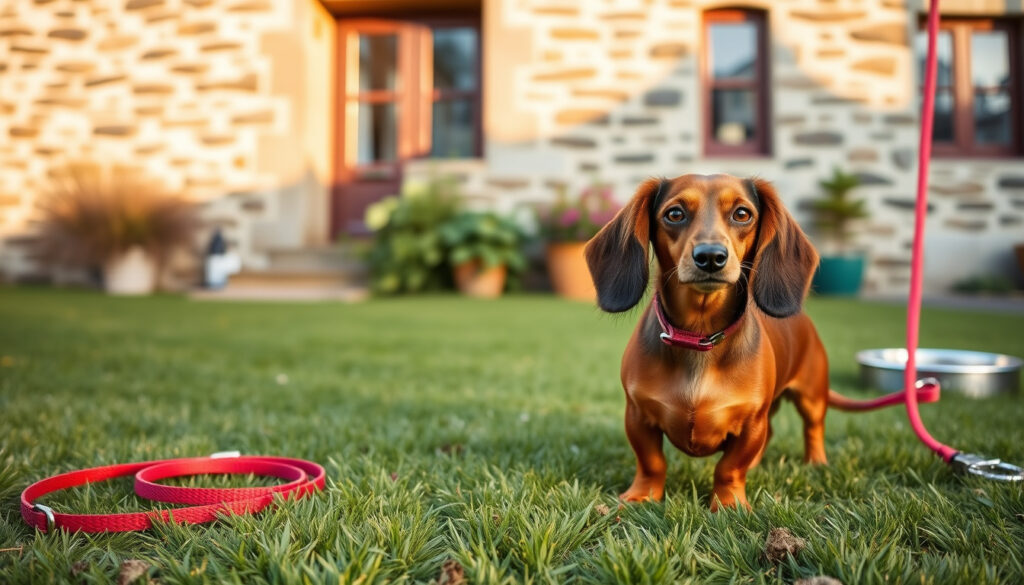
Mini Dachshund: Are They a Good Pet? Pros, Cons, Cost in Ireland
Few dogs pack as much personality into a small frame as the Mini Dachshund. With a lifespan of 12–16 years (ASPCA Pet Insurance, an insurance provider covering common health issues), these little hounds are built for adventure but also come with a high risk of spinal problems. If you’re in Ireland and wondering whether a Mini Dachshund is the right fit, this guide breaks down the temperament, health realities, and real costs you’ll face.
Weight (Miniature): Up to 11 lbs (5 kg) ·
Height: 5–7 inches (13–18 cm) ·
Lifespan: 12–16 years ·
Coat Types: Smooth, Wirehaired, Longhaired ·
Temperament: Loyal, affectionate, stubborn ·
Origin: Germany
Quick snapshot
- Loyal and affectionate companion dog (PetMD, a veterinary resource)
- Miniature size: under 11 lbs (Greencross Vets, an Australian veterinary network)
- Three coat types available (PetMD, a veterinary resource)
- Lifespan: 12–16 years (PetMD, a veterinary resource)
- Brave and curious (Greencross Vets)
- Can be stubborn and wary of strangers (Pooch & Mutt, a UK pet food brand)
- Prone to barking and separation anxiety (Greencross Vets)
- Good with older children if socialised early (ASPCA Pet Insurance)
- High risk of intervertebral disc disease (IVDD) (ASPCA Pet Insurance)
- Obesity can worsen back problems (ASPCA Pet Insurance)
- Eye conditions (cataracts, glaucoma) (ASPCA Pet Insurance)
- Regular vet check-ups and weight management essential (ASPCA Pet Insurance)
- Puppy price: €800–€2,000
- Adoption fee: €200–€400
- Annual upkeep: €1,000+
- Medical insurance recommended
Seven key facts, one pattern: Mini Dachshunds are small but carry a big health warning.
| Attribute | Value |
|---|---|
| Origin | Germany |
| Weight (Miniature) | Up to 11 lbs (5 kg) |
| Height | 5–7 inches (13–18 cm) |
| Lifespan | 12–16 years |
| Coat Types | Smooth, Wirehaired, Longhaired |
| Colors | Fawn, black & tan, red, cream, dapple |
| Temperament | Loyal, affectionate, stubborn, brave |
The implication: prospective owners in Ireland must weigh the breed’s charm against a serious health vulnerability that demands both financial and lifestyle commitment.
Are Mini Dachshunds a Good Pet?
Benefits of owning a Mini Dachshund
- Loyal and affectionate — they form deep bonds with their owners (Greencross Vets).
- Low maintenance grooming: smooth coats need only weekly brushing (Pooch & Mutt).
- Adaptable to apartment living with moderate exercise needs — about 30 minutes daily (Pooch & Mutt).
- Good with older children when socialised early (ASPCA Pet Insurance).
Potential challenges
- Stubbornness can make training difficult (Pooch & Mutt).
- Prone to spinal issues (IVDD) — about 25% of Dachshunds suffer back problems (Greencross Vets).
- Barking tendency can disturb neighbours in close housing.
- Separation anxiety can lead to destructive behaviour when left alone too long (ASPCA Pet Insurance).
Ideal owner profile
- Someone home most of the day or able to arrange companionship.
- Patient with training and willing to invest in early socialisation.
- Financially prepared for potential IVDD treatment (surgery can cost €3,000–€8,000 in Ireland).
- Households without very young children, as Dachshunds can be possessive.
The trade-off: you get a loyal, playful companion but must accept a breed with a congenital predisposition to spinal disease that requires proactive management.
What Are the Cons of a Mini Dachshund?
Health issues: intervertebral disc disease (IVDD)
IVDD is the most serious health threat. The long spine and short rib cage put immense pressure on the discs. PetMD, a veterinary reference, warns that high-energy activities like jumping off furniture can cause back injuries. The ASPCA Pet Insurance lists IVDD along with corneal ulcers, progressive retinal atrophy, and cataracts as common issues. Minimising risk requires maintaining a healthy weight, regular low-impact exercise, and avoiding stairs (ASPCA Pet Insurance).
Behavioral challenges
Dachshunds were bred to hunt badgers, so they are tenacious and vocal. Pooch & Mutt notes they can be stubborn, wary of strangers, and difficult to housetrain. Their bark is surprisingly loud for a small dog, which can be a nuisance in close-knit Irish neighbourhoods.
Housebreaking difficulties
Many owners report that Mini Dachshunds take longer to potty train than other breeds. Consistency and crate training are essential, but even then accidents happen well into the first year (Pooch & Mutt).
The breed’s hunting instincts translate into a bark-first, ask-later personality. Irish owners in terraced housing may face neighbour complaints unless training curbs the vocalisation early.
What this means: the Mini Dachshund is not a “set and forget” pet. The combination of health fragility, stubbornness, and noise requires an owner willing to invest time in training and healthcare.
How Much Is a Dachshund in Ireland?
Price range for puppies
Mini Dachshund prices in Ireland vary widely based on coat type, colour, and breeder reputation. Cream and dapple patterns tend to fetch higher prices. Expect to pay between €800 and €2,000. Breeders who perform health screening on parent dogs charge more, but that can offset future vet bills.
Adoption fees from rescues
Organisations such as DogsTrust Ireland (the country’s leading animal welfare charity) occasionally have Dachshunds available for adoption. Fees range from €200 to €400, which typically includes microchipping, vaccinations, and spay/neuter.
Ongoing costs
Annual costs for food, routine vet care, and pet insurance can exceed €1,000. PetMD advises that Dachshunds are prone to obesity, which worsens back issues, so premium weight-control food adds to expenses. Pet insurance for a breed with a high IVDD risk can cost €30–€50 per month.
The initial purchase price is only the start. Irish buyers should budget at least €1,500 in the first year including vet checks, insurance, and equipment, and plan for potential IVDD surgery which can run into thousands.
Why this matters: the lack of standardised pricing in Ireland means you must vet breeders carefully. A cheap puppy could hide unhealthier lines that lead to higher long-term costs.
Can a Dachshund Be Left Alone for 8 Hours?
Separation anxiety in Dachshunds
Dachshunds are pack animals and bond intensely. The ASPCA Pet Insurance notes they are prone to separation anxiety, which can manifest as destructive chewing, excessive barking, and house soiling. Leaving them alone for a full workday (8+ hours) is generally not advisable.
Crate training and gradual departure
With crate training and gradual desensitisation, some adults can tolerate 4–6 hours alone. Pooch & Mutt recommends providing interactive toys and a secure space to reduce anxiety.
Alternatives: doggy daycare, dog walker
For full-time workers in Irish cities, a midday dog walker or daycare visit is nearly essential. Costs in Dublin run €15–€25 per visit.
The pattern: independence is not this breed’s strong suit. If your job keeps you away more than six hours, factor in a daily walker or consider a less needy breed.
Do Mini Dachshunds Bark a Lot?
Why Dachshunds bark
Bred as hunting hounds, Dachshunds use their voice to alert. The ASPCA Pet Insurance states they are vocal and tend to bark a lot. Boredom, alertness to passers-by, and anxiety are common triggers.
How to manage excessive barking
Early socialisation and obedience training can reduce nuisance barking. Pooch & Mutt advises that mental stimulation and exercise help curb vocalisation. Avoid reinforcing barking by never giving attention when they’re barking at nothing.
Understanding dog communication – affection and annoyance
Signs of dog affection include licking, tail wagging, and leaning. Common annoyances for dogs include forced hugs, loud noises, and irregular routines. Recognising these cues helps owners build trust and reduce stress-induced barking.
The implication: barking is not a flaw — it’s the breed’s job. The question is whether your home environment can accommodate a vocal hound.
Pros and Cons of the Mini Dachshund
Upsides
- Affectionate and loyal — forms strong bonds
- Low grooming needs (smooth coat)
- Apartment-friendly with moderate exercise
- Lively and entertaining personality
- Long lifespan (12–16 years) compared to other small breeds
Downsides
- High risk of IVDD — can be costly and painful
- Stubborn — training requires patience
- Excessive barking potential
- Separation anxiety — not suited for long absences
- Difficult to housetrain
- May be aggressive toward small pets
The trade-off: a loving, compact companion that demands vigilant health management and consistent training. For the right owner, the rewards outweigh the challenges; for a first-time Irish dog owner, a more resilient breed may be wiser.
Mini Dachshund Specifications
Seven dimensions define this breed — the key numbers you need to know.
| Specification | Miniature Standard |
|---|---|
| Weight | Up to 11 lbs (5 kg) |
| Height at withers | 5–7 inches (13–18 cm) |
| Body length (approx.) | 12–15 inches (30–38 cm) |
| Coat types | Smooth, Wirehaired, Longhaired |
| Colours accepted | Fawn, black & tan, red, cream, dapple, chocolate |
| Lifespan | 12–16 years |
| Exercise requirement | 30 minutes daily |
| Grooming frequency | Weekly brushing; wirehaired needs hand-stripping 3–4 times/year |
| Good with children | Older children only, with supervision |
| Training difficulty | Moderate to high due to stubbornness |
| Barking tendency | High |
| Shedding | Low to moderate |
The pattern: the breed’s compact size masks a robust exercise need and a high-maintenance health profile — a reminder that small dogs aren’t always low-effort.
Confirmed Facts vs What’s Unclear
Confirmed facts
- Mini Dachshunds weigh 11 lbs or under (AKC standard via PetMD)
- They are prone to IVDD due to their long spine (ASPCA Pet Insurance)
- They have a lifespan of 12–16 years (ASPCA Pet Insurance)
- They are known for barking and separation anxiety (Pooch & Mutt)
What’s unclear
- Exact price range for puppies in Ireland varies widely and is not publicly standardised
- Prevalence of specific health issues in Irish Mini Dachshund lines is not well documented
- Long-term cost variations for vet care across Irish counties remain unstudied
- Effectiveness of specific training methods for Dachshund stubbornness lacks Irish-specific data
The catch: while much is known about the breed globally, Irish-specific data on health outcomes and breeder practices is thin — buyer beware until more local research emerges.
Expert Perspectives on Mini Dachshunds
The Miniature Dachshund is a diminutive, long-bodied dog with a courageous and tenacious temperament. Owners must be mindful of back health from an early age.
— American Kennel Club (AKC Breed Standard, a primary standard-setting organisation)
Many Dachshunds end up in rescues in Ireland because owners underestimate their need for companionship and training. We always advise prospective owners to consider adopting a Dachshund from a charity first.
— DogsTrust Ireland (Ireland’s largest dog welfare charity)
Intervertebral disc disease is a serious concern in Dachshunds. Breeders should screen for back problems, and owners must avoid allowing their dogs to jump from furniture.
— The Royal Kennel Club (UK Kennel Club, a breed registry authority)
Three voices, one message: the Mini Dachshund’s health and temperament require proactive, informed ownership — nothing should be left to chance.
Summary: What an Irish Owner Should Know
The Mini Dachshund is a delightful but demanding breed. Its affectionate nature and apartment-friendly size make it tempting, but the high risk of IVDD, stubbornness, and separation anxiety are non-negotiable trade-offs. The evidence shows that preparation — buying from a health-screened breeder, budgeting for insurance, and committing to training — determines success. For Irish families with older children, a flexible work arrangement, and a willingness to manage a vocal hound, the Mini Dachshund can be a wonderful addition. For those who can’t meet these conditions, the breed is likely to bring frustration rather than joy. The choice is clear: either invest heavily in prevention and training, or choose a lower-maintenance breed.
Related reading: Mini Dachshund · Dachshund
For those considering this breed, a comprehensive UK Mini Dachshund guide can help compare costs and care tips across Ireland and Britain.
Frequently asked questions
Do Mini Dachshunds get along with other pets?
They can, especially if raised together. However, their hunting instinct may cause them to chase smaller animals. Early and consistent socialisation is key (ASPCA Pet Insurance).
Are Mini Dachshunds hypoallergenic?
No. While they shed minimally, no dog is truly hypoallergenic. Their dander can still trigger allergies (PetMD).
How often should I groom a Mini Dachshund?
Smooth coats need weekly brushing; wirehaired coats require hand-stripping several times a year; longhaired coats need brushing two to three times a week to prevent matting (Pooch & Mutt).
What is the best food for a Mini Dachshund?
A high-quality, weight-control formula is recommended because obesity exacerbates back problems. Consult your vet for a breed-appropriate diet (Greencross Vets).
How much exercise does a Mini Dachshund need?
About 30 minutes of moderate activity daily, such as walks and play. Avoid high-impact activities like jumping or running on stairs (Pooch & Mutt).
Are Mini Dachshunds easy to train?
They can be stubborn, making housetraining and obedience training challenging. Positive reinforcement and patience are essential (Pooch & Mutt).
Do Mini Dachshunds shed a lot?
They shed lightly year-round. Longhaired varieties shed more during seasonal changes, but overall shedding is low to moderate (PetMD).
More related posts
 National GF Day is August 1, Boyfriend Day October 3
 Ollie Wines: Brownlow Medallist, Heart Surgery, and Suspension
 Best Phone Case for Ireland: Top Picks & Buying Tips
 Jessie Murph: Age, Songs, Jelly Roll, Boyfriend & Net Worth
 What Happened to Tylor Chase? Nickelodeon Star Homeless in 2026
 Serinda Swan: Biography, Career, and Personal Life
 Daniel MacPherson: Age, Height, Wife, Children, Movies & TV Shows
 Bum Bum Cream – Ingredients, Dupes and Effectiveness