Cradle Mountain Tasmania: Worth Visiting? Complete Guide
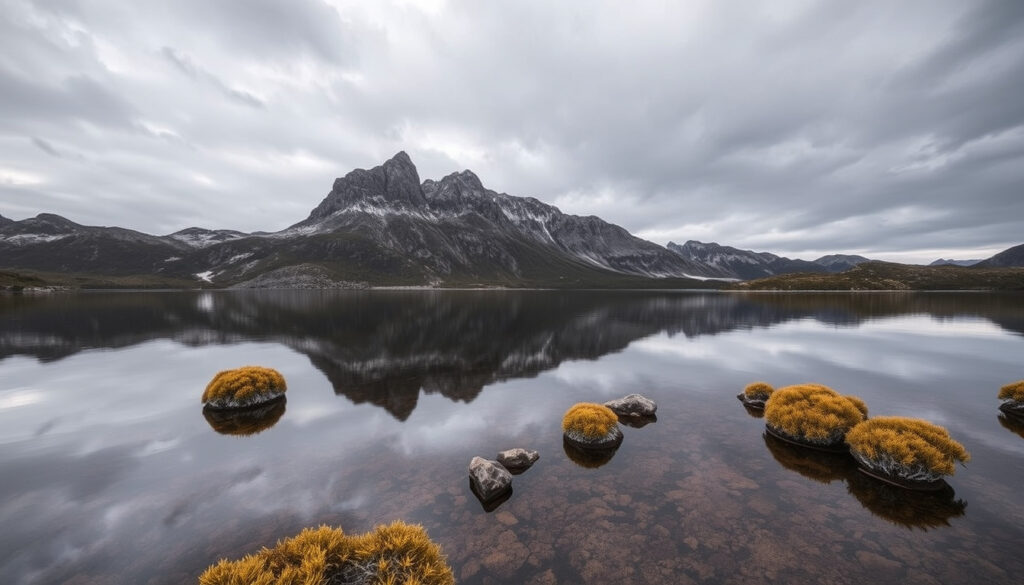
There’s something magnetic about a mountain that appears suddenly, its jagged silhouette rising above a glacial lake. Cradle Mountain, Tasmania’s fifth-highest summit at 1,545 metres, anchors the Cradle Mountain–Lake St Clair National Park – a landscape carved by ice and home to Australia’s deepest freshwater lake. This guide pulls together official park advice, trail options, and practical tips so you can plan your trip with confidence, whatever the season.
Elevation: 1,545 m (5,069 ft) ·
National Park Area: 1,614 km² ·
Distance from Launceston: 2 hours (140 km) ·
Annual Visitors: ~200,000 ·
Key Walking Trails: Over 50 marked trails ·
World Heritage Listing: Part of Tasmanian Wilderness World Heritage Area (1982)
Quick snapshot
- Cradle Mountain is part of the Tasmanian Wilderness World Heritage Area (Parks & Wildlife Service Tasmania)
- Dove Lake circuit is approximately 6 km and suitable for most fitness levels (Discover Tasmania, official tourism site)
- Launceston is the closest major city, 140 km by road (Parks & Wildlife Service Tasmania)
- Exact entry fee for 2025 may change – check the official site before you go
- Weather conditions can cause trail closures at short notice
- Some accommodation availability depends on season and booking timing
- No multi-day timeline events confirmed – single-day visits are most common
- Book accommodation early for peak season (Dec–Feb)
- Check park alerts for trail conditions before departing
Five key figures, one pattern: Cradle Mountain is big on scale but small on distance from base towns – a rare combination for a World Heritage area.
| Attribute | Value |
|---|---|
| Location | Central Highlands, Tasmania, Australia |
| Elevation | 1,545 m (5,069 ft) |
| Nearest City | Launceston (140 km, 2 hours drive) |
| Park Entry Fee (2025 est.) | AUD 20 per vehicle per day – subject to change |
| Best Time to Visit | December to March for hiking; June–August for snow |
Is Cradle Mountain, Tasmania worth visiting?
For most travellers, the answer is a clear yes – but the “worth” depends on what you’re after. The mountain’s dramatic glacial landscape, combined with accessible trails and reliable park infrastructure, makes it one of Tasmania’s most rewarding day-trip destinations. Yet the weather is famously fickle, and entry fees apply, so it’s worth knowing the full picture before you commit.
What makes Cradle Mountain stand out?
- Glacial landscape. The jagged summit of Cradle Mountain was formed by glacial erosion, and Dove Lake sits in a classic glacial cirque. The 6 km loop around Dove Lake is the park’s most popular walk (Discover Tasmania, official tourism authority).
- Wildlife. Endemic species such as the Tasmanian devil and wombats are commonly spotted. The park is part of the Tasmanian Wilderness World Heritage Area, one of the largest conservation reserves in Australia (Parks & Wildlife Service Tasmania).
- World Heritage status. Listed in 1982, the area covers 1,614 km² and includes seven of Tasmania’s ten highest mountains (Discover Tasmania, official nature & wildlife page).
Pros and cons of visiting Cradle Mountain
Upsides
- World Heritage landscape within a 2-hour drive of Launceston
- Well-maintained trails for all fitness levels
- Year-round access – snow in winter, wildflowers in summer
- Range of accommodation from camping to luxury lodge
Downsides
- Weather can change rapidly – be prepared for rain or snow any month
- Entry fee required (AUD 20 per vehicle per day, subject to change)
- Accommodation books out weeks ahead in peak season
- Mobile reception is patchy inside the park
The trade-off: You trade the reliability of a city park for raw, unpredictable nature – but the payoff is one of the most photographed alpine scenes in Australia.
First-time visitors who don’t factor in weather variability often end up on a fogged-in trail missing the iconic views. The upside: even rainy days can be magical if you’re dressed for them.
What is the closest city to Cradle Mountain?
Launceston is the nearest major city, and most visitors base themselves there or in the smaller towns along the drive. Knowing the distances helps you decide whether to make it a day trip or stay closer to the park.
Driving distances and routes from Launceston and Devonport
- Launceston → Cradle Mountain: 140 km, about 2 hours via the B14 (Cradle Mountain Road) (Parks & Wildlife Service Tasmania, park access info).
- Devonport → Cradle Mountain: ~1.5 hours via the B19 and C132. Devonport is a good option for those arriving by ferry from Melbourne.
- Hobart → Cradle Mountain: ~4.5 hours – possible but a long day trip.
Nearest towns for supplies and lodging
- Mole Creek (45 minutes from the park): Accommodation, a pub, and a general store. Also the gateway to Mole Creek Karst National Park.
- Sheffield (50 minutes): Known for its murals and tourism services; you’ll find supermarkets and fuel.
- Strahan (west coast, 1.5 hours): More remote but offers scenic harbor views.
The pattern: Most visitors choose Launceston for its flight connections and larger accommodation pool. But if you want to wake up 15 minutes from the trailhead, book inside the park at Waldheim Cabins or Cradle Mountain Lodge.
What is so special about Cradle Mountain?
Three things set it apart: the raw glacial geology, the endemic wildlife you can see on a short walk, and the fact that it’s part of a UNESCO World Heritage area that protects one of the last temperate wildernesses on earth.
Glacial landscapes and Dove Lake
Dove Lake is a glacial cirque lake formed thousands of years ago. The 6 km circuit track – suitable for most walkers – takes you right along its shoreline, with the famous boat shed view that appears on postcards and Instagram feeds alike. The track is graded as Grade 2 (moderate) in parts (Discover Tasmania, official guide).
Unique flora and fauna (Tasmanian devils, wombats)
- Tasmanian devils: The park is one of the best places to see wild devils, especially on the Enchanted Walk near dusk (Parks & Wildlife Service Tasmania).
- Wombats: Often grazing near the Ronny Creek car park in the early morning.
- Endemic alpine plants: The park hosts cushion plants, waratahs, and pandani, many of which are found nowhere else (Discover Tasmania, nature page).
World Heritage significance
Inscribed in 1982, the Tasmanian Wilderness World Heritage Area covers 1.6 million hectares and is one of the largest such areas in Australia. Its value lies in its combination of ancient Gondwanan forests, glacial landforms, and Aboriginal cultural heritage (UNESCO World Heritage listing). The implication: you’re not just visiting a mountain – you’re standing in a landscape that predates human history.
The very features that make it special – the glacial lakes, the high-altitude weather – also make it fragile. Stay on marked trails, keep your distance from wildlife, and pack everything out.
Can you stay overnight at Cradle Mountain?
Yes – and many visitors argue that an overnight stay is the only way to truly experience the park’s changing light. Options range from park-run cabins to full-service lodges, plus camping for the adventurous.
Types of accommodation: hotels, cabins, campgrounds
| Type | Example | Key Features |
|---|---|---|
| Lodge | Cradle Mountain Lodge | Private en-suite rooms, restaurant, spa – best for couples and families wanting comfort |
| Cabins | Waldheim Cabins (run by Parks & Wildlife) | Basic self-catering: electric heating, bunk beds, cooking utensils; no private bathrooms (Parks & Wildlife Service Tasmania, Waldheim Cabins page) |
| Campgrounds | Cradle Mountain Campground (Discovery Parks) | Unpowered and powered sites, communal kitchen, coin-operated showers |
| Bush camping (Overland Track) | Huts and tent platforms on the Overland Track | Requires booking with Parks & Wildlife; basic huts with sleeping platforms |
Why this matters: If you want the pre-dawn light on Dove Lake, you need to sleep inside the park. The trade-off: fewer amenities and higher demand. Book at least a month ahead for summer.
How long should I stay at Cradle Mountain?
That depends on how much walking you want to do. A single day is enough for a taste, but two to three days lets you see more than just the Dove Lake loop.
One-day itinerary for first-time visitors
- Morning: Arrive early, park at Dove Lake car park (arrive before 10 am to get a spot). Complete the Dove Lake Loop (6 km, 2–3 hours).
- Lunch: Pack a picnic or buy lunch at the Cradle Mountain Visitor Centre.
- Afternoon: Choose a short walk like Enchanted Walk (1.5 km, 30 mins) or the King Billy Track (1.2 km, 20 mins).
- Late afternoon: Drive the short distance to Ronny Creek or Glacier Rock for a final view.
Two to three days for deeper exploration
- Day 1: Dove Lake Loop + Enchanted Walk. Stay overnight at Cradle Mountain Lodge or Waldheim Cabins.
- Day 2: More challenging walks: Crater Lake Circuit (4–5 hours) and Marion’s Lookout (offers panoramic views of Cradle Mountain).
- Day 3 (optional): Hike the start of the Overland Track to Waterfall Valley (requires advance booking) or explore the Cradle Valley boardwalk.
The verdict: For most travellers, two days and one night inside the park is the sweet spot – you get the afternoon light, the early morning wildlife, and enough trail variety to feel the place without rushing.
What we know – and what we don’t
Confirmed facts
- Cradle Mountain is part of the Tasmanian Wilderness World Heritage Area (Parks & Wildlife Service Tasmania)
- Dove Lake circuit is approximately 6 km and suitable for most fitness levels (Discover Tasmania, official tourism site)
- Launceston is the closest major city at 140 km drive (Parks & Wildlife Service Tasmania)
What’s unclear
- Exact entry fee for 2025 – check the official website before you go
- Weather conditions can cause trail closures at short notice
- Some accommodation availability depends on season and booking timing
What the experts say
“Cradle Mountain is a place of exceptional natural beauty… the setting for a 5–6 day walk stretching 80 km from Cradle Mountain to Lake St Clair, Australia’s deepest freshwater lake.”
— Parks & Wildlife Service Tasmania, official park description
“The imposing Cradle Mountain – Tasmania’s fifth highest summit – dominates the landscape, towering over glacial lakes and ancient rainforests.”
— Discover Tasmania, state tourism authority
Final takeaway
Cradle Mountain isn’t a theme park. It’s a real wilderness that demands a bit of planning and a lot of respect for the weather. For the traveller based in Launceston, the decision is clear: book two nights in the park, pack waterproof layers, and allow an extra day in case a front moves in. Do that, and you’ll leave with the kind of memory no photograph can replace.
en.wikipedia.org, globalbasecamps.com, thewelltravelledfamily.com, parks.tas.gov.au, parks.tas.gov.au, aaronteoh.com, alltrails.com, youtube.com, tasmania.com
Frequently asked questions
What is the entry fee for Cradle Mountain National Park?
As of 2024, the estimated fee is AUD 20 per vehicle per day. Fees are set by the Tasmanian Parks & Wildlife Service and may change for 2025. Check their website for the latest.
What is the best time of year to visit Cradle Mountain?
Summer (December to March) offers the best hiking conditions with long daylight hours. Winter (June to August) brings snow and the chance of a different, quieter experience. Spring (September to November) sees wildflowers and variable weather.
Are dogs allowed at Cradle Mountain?
No. Domestic pets are not permitted inside Cradle Mountain–Lake St Clair National Park to protect native wildlife. There are no exceptions.
Is there mobile phone reception at Cradle Mountain?
Reception is very limited. Some spots near the Visitor Centre and Cradle Mountain Lodge may have signal, but most trails have none. Download maps and park info before you arrive.
What should I pack for a day hike at Cradle Mountain?
Waterproof jacket, warm layers (even in summer), hat, sunscreen, at least 1 litre of water per person, snacks, a first-aid kit, and a fully charged phone. Sturdy walking shoes are essential.
Can I see the Southern Lights (Aurora Australis) at Cradle Mountain?
Yes, but it’s rare. During strong geomagnetic storms and with clear skies, the Southern Lights can be visible from the park’s dark-sky location. Check the Aurora forecast before you go.
How do I get to Cradle Mountain without a car?
Shuttle buses run from Launceston to Cradle Mountain during peak season (details on the Discover Tasmania site). Alternatively, join a guided tour or take a taxi from Sheffield – but a car is easiest.
Is Cradle Mountain suitable for children?
Yes – many short walks (Enchanted Walk, King Billy Track) are fine for primary-school-age kids. The Dove Lake Loop is manageable for older children. Keep to the trails, watch for weather changes, and bring snacks.
More related posts
 Ken Irvine: Rugby League Legend’s Games, Tries, and Legacy
 Ange Postecoglou: New Job, Sacking, and Net Worth
 Stanley Tucci: Health, Family, Age Gap, Italian Heritage
 Is Australia a Continent – Geological Facts and Unique Status
 10 Things I Hate About You – Plot, Cast, Where to Watch
 Bo Burnham: Mental Health, Inside Special, and Relationships
 Preslee Faith: Age, Bio, Religion, and TikTok Fame
 Dee Salmin: Boy Sober, Book, and Darcy Moore Relationship